Zero-Calorie Snacks: What Does "Zero Calorie" Really Mean?
· 7 min read · Flourish Snacks Bites
There is no useful list of filling whole foods that contain literally no energy. Yet searches for zero-calorie snacks often lead to lists of cucumber, celery, pickles and sugar-free sweets presented as though they can be eaten without limits. That is misleading. Most solid foods contain calories, even when the amount in a small serving is modest. Zero-calorie wording can also be a regulated labelling claim rather than a statement of mathematically exact zero. This guide separates those ideas and suggests a more practical way to choose snacks: understand the label, recognise your hunger and use a portion that suits your needs.
A calorie measures food energy, not food quality
Calories describe energy supplied by food and drink. They do not tell you everything about protein, fibre, vitamins, sodium, enjoyment or how filling a snack will be. An energy-containing food is not automatically a poor choice. Yogurt, beans, fruit and nuts all provide energy along with other qualities. Conversely, a beverage with a zero-calorie claim does not provide the same nourishment as a meal. Looking only for the smallest energy number can hide the information most relevant to your hunger or your health.
What the Canadian calorie-free claim permits
Under Health Canada’s table of permitted nutrient-content claims, calorie-free or energy-free claims have defined conditions, including less than five Calories per reference amount and stated serving. That does not mean every possible amount from the package contains exactly zero. Reference amounts and serving sizes are part of the rule, not optional fine print. Read the package sold in your country instead of importing a claim explanation from another jurisdiction and assuming all conditions match.
US wording follows its own regulations
In the United States, 21 CFR 101.60 sets conditions for energy and sugar claims, including calorie-free wording. Although the very small energy threshold may sound similar to Canada’s, regulatory details must be checked in the applicable rule. Nutrition-panel rounding and claim eligibility are related but not interchangeable concepts. A rounded zero in one serving is not a licence to assume a large amount is energy-free. Use the serving information on the actual label you are reading.
Why servings matter more than the headline
Imagine a tiny portion that falls below the relevant reporting or claim threshold. Taking many such portions changes the total, even if the front of the pack still displays zero. You should not invent an exact value from the rounded number, but you should recognise the limitation. Check the number of servings per container and the amount you actually consume. This is particularly useful for spray products, flavour additions or very small sweets where the manufacturer’s stated serving may be much smaller than your usual use.
Celery and cucumber are low-energy foods, not zero-energy foods
Watery vegetables can be refreshing and useful for adding volume, but they contain energy. There is no reliable basis for treating ordinary vegetables as negative-calorie foods whose digestion cancels all their energy. The practical advantage of cucumber or celery is their texture, water content and versatility, not a promise that eating them makes calories disappear. Add a dip if you want a more substantial snack, while recognising that oil, cheese, tahini or nut butter changes the whole combination.
Sugar-free does not mean calorie-free
A sugar-free product can contain fat, starch, protein or sweeteners that contribute energy. Chocolate and baked goods are clear examples where removing sugar does not remove every calorie. The FDA energy and sugar claim rule treats these claims separately. In Canada, check the appropriate entries in Health Canada’s table. If managing diabetes, read total carbohydrate and your own counting instructions rather than relying on sugar-free wording; our diabetes snack guide explains that distinction further.
Drinks are the most realistic place to find very little energy
Plain water and sparkling water without energy-containing additions are straightforward thirst choices. Unsweetened tea or coffee generally contributes little energy in typical preparation, but milk, syrup, cream and sugar change that. A zero-labelled soft drink may meet a permitted claim without being a source of nourishment. Drinks should answer thirst and preference; they need not substitute for solid food when you are hungry. Caffeine also matters, especially late in the day or if your healthcare professional has advised limits.
Pickles deserve a separate sodium check
Some small pickle servings list very little energy, but pickles are not universally calorie-free and can be high in sodium. Sweet varieties may contain considerable sugar. Read both the energy and sodium panels, and compare actual portions. The same principle applies to broth and flavoured seaweed: a low energy number tells you nothing about salt by itself. If lowering sodium is a priority, use our lower-sodium snack ideas rather than choosing only by calories.
Sugar-free gelatin, gum and sweets need their own labels
Different formulations have different ingredients and energy values. Sugar-free gelatin may contain protein; sugar-free sweets may contain sugar alcohols or other energy sources. A small serving can also be unrepresentative of an entire package. Some sweeteners can cause digestive discomfort when consumed in larger amounts. Do not assume every item with similar packaging has the same formulation. Read ingredients, serving size and energy together, and choose a texture suitable for the person eating it.
A more useful question: what kind of snack do I need?
If you want a crisp bite while preparing dinner, vegetables may be enough. If lunch was hours ago, a snack containing protein and carbohydrate may be more satisfying. If you want a sweet treat, choosing a modest serving you enjoy may work better than eating several disappointing substitutes. There is no requirement to make every snack as low in energy as possible. Your appetite, health needs, meal pattern and enjoyment deserve attention along with the nutrition panel.
Examples that are honest about what they provide
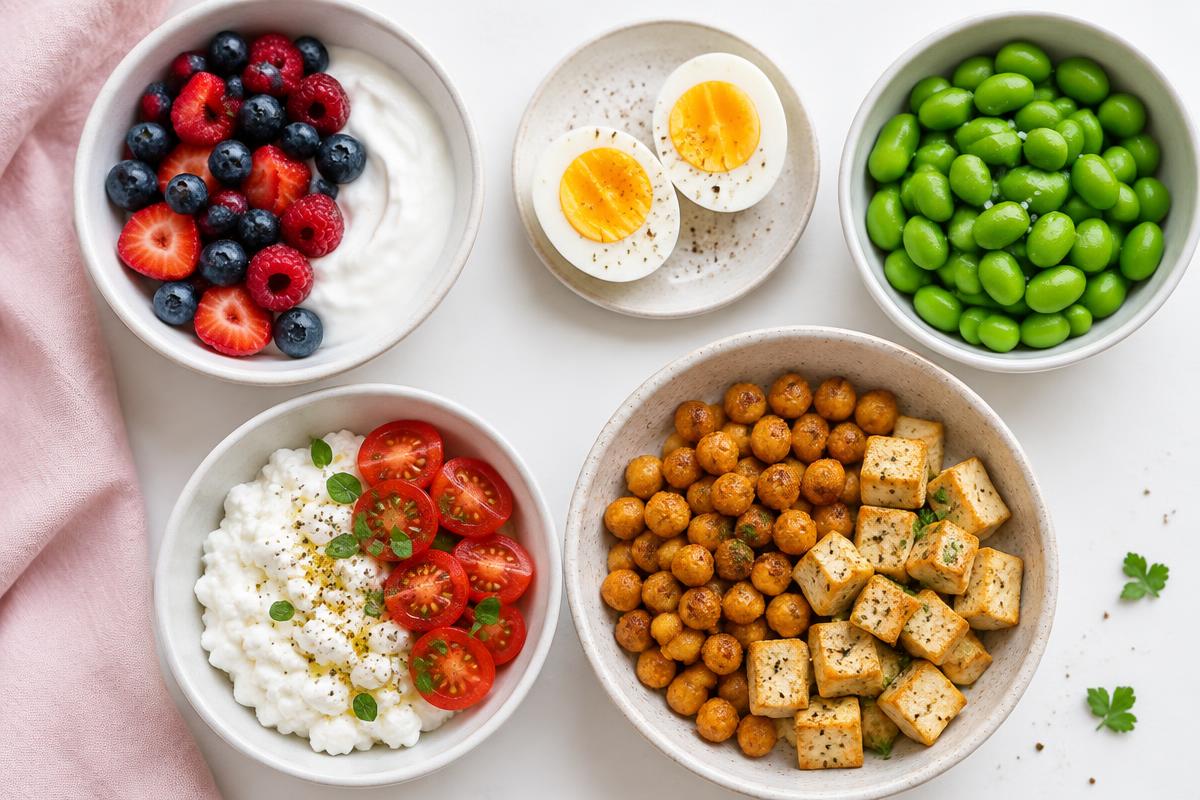
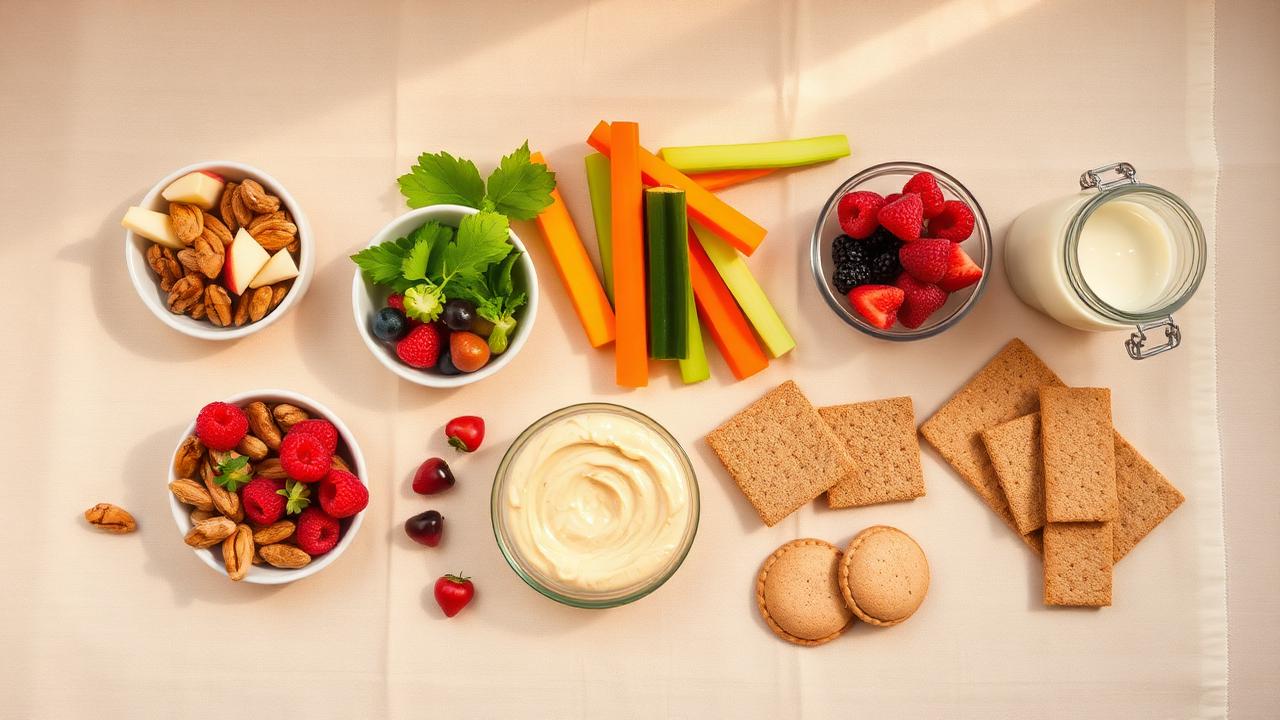
Try cucumber with a yogurt-herb dip for crunch and some substance, fruit with plain yogurt for a sweet option, or a small toast portion with an appropriate spread when you need more energy. These are not zero-calorie snacks and should not be advertised as such. Unsweetened sparkling water can sit beside them as a drink. Keeping the distinction visible prevents a beverage claim from being applied to a whole plate and makes your snack easier to assess realistically.
When calorie-focused advice is not the right tool
If a medical professional has given you an energy plan, follow it with their support rather than treating zero as the goal. If food numbers are creating distress, guilt or a pattern of ignoring hunger, speak with an appropriate healthcare professional. This article cannot diagnose eating difficulties or set a calorie target. Children, pregnancy, illness and high activity can involve different needs. A general web guide should not tell every reader to restrict food or replace meals with drinks.
A label-reading checklist you can use in the shop
First check whether the wording is calorie-free, sugar-free, no added sugar or simply light. Those are not synonyms. Next compare serving size with what you intend to consume. Then read energy, total carbohydrate where relevant, protein and sodium. Finally check ingredients and allergen information. If the product is only useful because of a front-label promise you do not understand, choose a familiar alternative or look up the applicable official claim rules before relying on it.
Sources and a better next step
The core sources are Health Canada’s nutrient-content claim table and the US FDA regulation for energy and sugar claims. They explain permitted claims, not personal diet needs. For actual food combinations, explore high-protein snack comparisons or vegan snack ideas. A useful choice is one you understand and can enjoy, not one made attractive by a misleading promise of unlimited zero-energy food.
A note from our kitchen
Food does not have to disappear from an energy calculation to deserve a place in your day. A small snack that leaves you comfortable can be more useful than chasing an empty-looking number. Read zero as a label claim to understand, not a challenge to eat as little as possible.
— Flourish Snacks Bites
Looking for Nigerian snacks in Regina?
Flourish Snacks Bites makes Nigerian snacks for pickup or local delivery. This guide is general food information, not our product menu or a dietary certification.