Low-Sodium Snacks: 25 Snack Ideas for a Lower-Sodium Lifestyle
· 8 min read · Flourish Snacks Bites
A lower-sodium snack can be as simple as fresh fruit, but the harder decisions happen when you want crackers, a dip or something with protein. Salt may be in the base food, a seasoning blend, a sauce or several ingredients at once. This guide offers 25 starting points and explains how to compare them. They are ideas for reducing added salt, not certified low-sodium recipes or an individual medical eating plan. Exact sodium depends on your ingredients and portions. If a clinician has given you a sodium target, use that target and the product label rather than assuming every suggestion here fits.
What low sodium means on a label
In Canada, nutrient claims must meet defined conditions. For the exact requirements, use Health Canada’s permitted nutrient-content claims table. A reduced-sodium product is lower than a reference product, but may still contribute a substantial amount. Compare the sodium amount for equal serving sizes. The CDC’s sodium overview explains sources of sodium in everyday foods; do not assume every US threshold or claim rule is identical in Canada. Front-of-pack wording cannot replace reading the nutrition panel.
Flavour does not have to come only from salt
Lemon, lime, vinegar, garlic, herbs and toasted spices can make food more interesting. Add an acidic or aromatic ingredient first and taste before adding salt. Bottled sauces, bouillon, cheese and seasoning mixes can reintroduce sodium, so check them too. Potassium-based salt substitutes are not suitable for everyone, especially with some kidney conditions or medicines. Ask your healthcare professional before using one if that might apply. A homemade dip offers control, but it is not automatically low sodium when the recipe includes salty canned ingredients.
25 ideas to explore
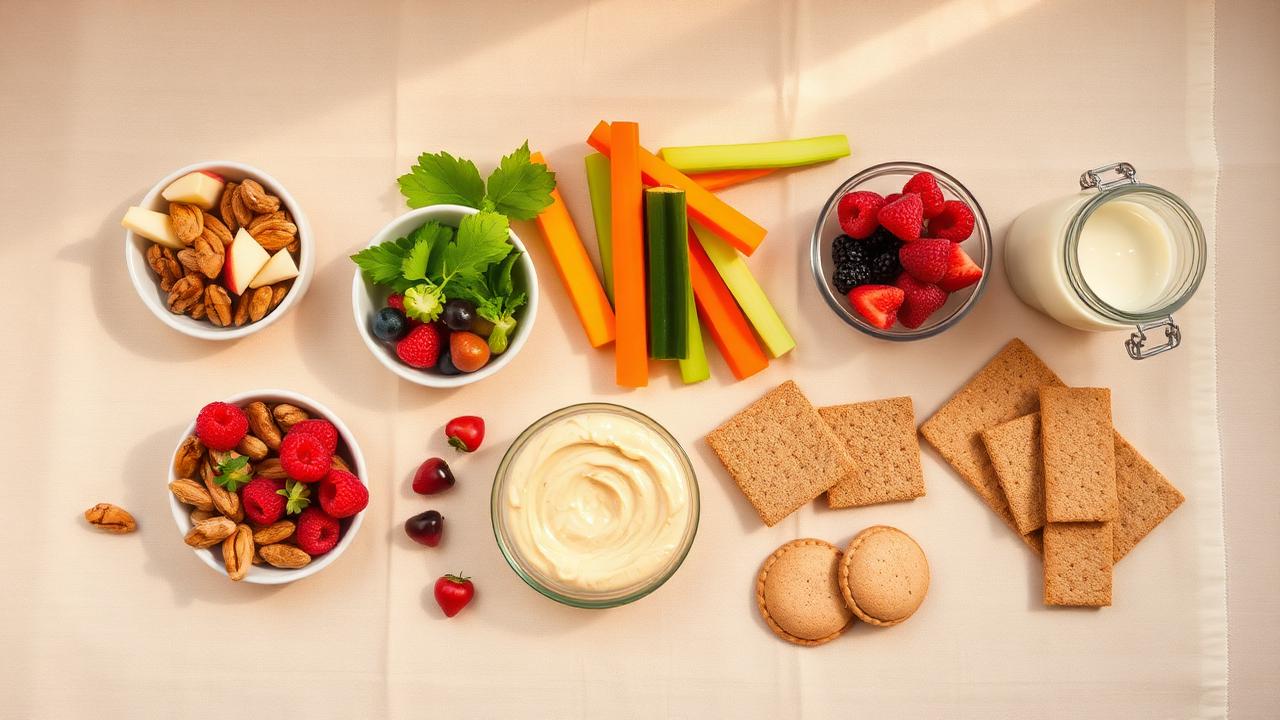
1. Apple with unsalted nut butter
Slice an apple and add a thin spread of unsalted peanut or almond butter. Check the jar because similar products can have different salt levels. This combination gives contrasting textures without needing crackers or a salty topping.
2. Fresh berries
Wash berries and serve them plain or with a spoonful of plain yogurt. Fresh fruit generally avoids the added salt found in many packaged snacks. Keep washed berries chilled and discard damaged pieces rather than leaving a large bowl out all afternoon.
3. Pear and cinnamon
Cut a ripe pear into wedges and dust lightly with cinnamon. The spice adds aroma without a salty sauce. If you prefer warm fruit, cook pieces until softened using a dependable method and avoid adding a packaged topping without checking ingredients.
4. Orange segments
Peel an orange or mandarin and portion the segments into a small container. It is an uncomplicated portable choice when you do not need refrigeration for a long outing. Cut fruit needs suitable storage, and a whole fruit often travels better.
5. Banana with plain yogurt
A few banana slices make unsweetened yogurt taste sweeter without a flavoured syrup. Yogurt still contains some naturally occurring sodium, so compare brands if you need close control. Dairy-free alternatives can differ widely in both sodium and protein.
6. Cucumber with lemon
Toss cucumber pieces with a little lemon juice and chopped dill. Make only what you plan to eat soon because the pieces release water. Skip a bottled dressing unless its label fits the sodium amount you are aiming for.
7. Carrots with homemade chickpea dip
Blend cooked chickpeas with lemon, garlic and a little water or oil. Use no-salt-added chickpeas or cook them yourself. Tahini can add flavour, but it also adds sesame, so check allergies and keep the dip chilled.
8. Bell pepper strips
Sweet pepper strips provide colour and crunch without a seasoning packet. Pair them with a homemade yogurt-herb dip if you want something more substantial. Store cut vegetables cold and take the dip in a separate sealed container.
9. Cherry tomatoes with herbs
Halve tomatoes and add basil or parsley with a little vinegar. For young children, cut round tomatoes into appropriate smaller pieces. Avoid automatically adding feta or olives if the goal is to keep this particular snack lower in sodium.
10. Unsalted popcorn
Air-pop corn and add paprika, garlic powder or a little oil to help spices stick. Choose single-ingredient seasonings instead of garlic salt. Popcorn is not suitable for very young children and may not suit people with certain swallowing difficulties.
11. Unsalted almonds
A small handful of unsalted almonds offers a portable option with no added salt. Nuts still contribute energy and should be portioned to appetite. Check whether the product shares equipment with other allergens rather than treating unsalted as an allergy statement.
12. Walnuts with a few raisins
Combine plain walnuts and a small amount of raisins for sweetness and crunch. Keep the ratio flexible and skip chocolate-coated or salted additions if reducing sodium is your priority. The snack is energy-dense, so a small container can be useful.
13. Pumpkin seeds
Use plain unsalted pumpkin seeds, perhaps lightly toasted with a spice you like. Seasoning coatings often change sodium more than the seed itself. Choose suitable textures for your household and store cooled seeds dry to preserve their crunch.
14. Homemade trail mix
Mix unsalted nuts, seeds and dried fruit instead of buying a heavily seasoned blend. Keep chocolate and cereal additions optional. Make a small jar first so you can adjust the combination before committing to a large batch.
15. Plain oatmeal
Cook a small bowl of oats with water or an appropriate milk and flavour with fruit or cinnamon. Instant flavoured sachets may contain added sodium and sugar. Check the oats and any milk alternative when you need a precise sodium calculation.
16. Overnight oats
Combine oats with plain yogurt or milk and fruit, then refrigerate in a covered container. This removes the temptation to rely on a salted biscuit beside a drink. It still needs cold storage, especially when taking it to work.
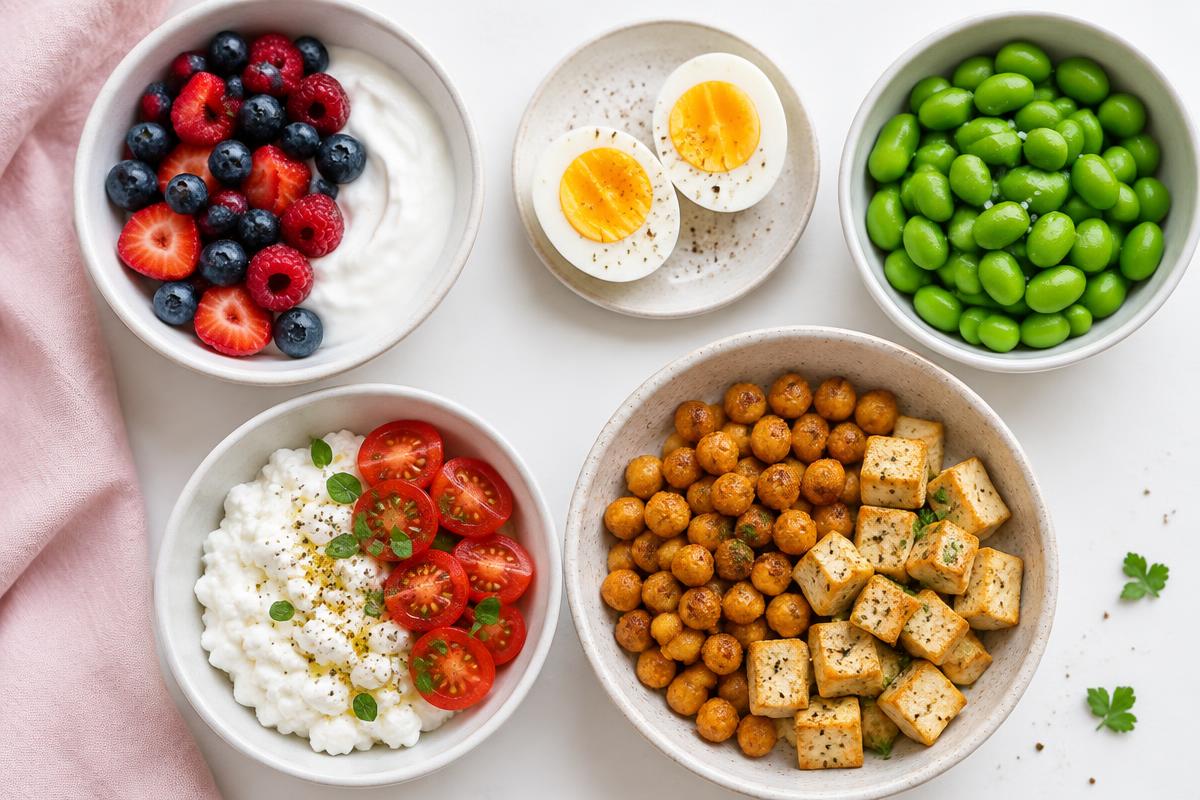
17. No-salt-added edamame
Cook frozen edamame according to package directions and leave off the usual salt sprinkle. Serve shelled beans with lemon or a little chilli. Soy is an allergen, and pre-seasoned edamame packets may differ from plain frozen beans.
18. Roasted chickpeas
Drain and dry no-salt-added cooked chickpeas, then roast using a reliable recipe with herbs. Crunch depends on preparation and storage. They are not automatically shelf-stable after home roasting, so follow the recipe’s handling advice and make a modest batch.
19. Hard-boiled egg
A cooked egg can be eaten with pepper or paprika rather than salt. Eggs contain some sodium naturally, so count the actual serving if following a medical target. Keep the egg refrigerated and transport it with a cold pack when needed.
20. Plain Greek yogurt
Choose an unsweetened yogurt and add fruit or chopped herbs depending on whether you want sweet or savoury. Compare the label instead of assuming all strained yogurts are identical. Keep cold and use clean utensils when serving from a large tub.
21. Lower-sodium cottage cheese
Cottage cheese can be surprisingly salty, so this idea depends on finding a suitable product. Compare equal portions across labels and pair with fruit rather than salty crackers. The words light or low-fat do not establish low sodium.
22. Avocado on suitable toast
Spread mashed avocado on a small slice of bread and add lime or pepper. Bread contributes sodium, so compare brands and portion sizes. Avocado alone may meet your needs if the available bread does not fit your planned sodium amount.
23. Unsalted rice cake with a spread
Use an unsalted rice cake with a little nut butter or avocado. Flavoured rice cakes may include salt, even when they look similar to plain ones. Check the actual package, and add a protein source if the plain cake leaves you hungry.
24. No-salt-added tuna and cucumber
Choose tuna labelled no salt added, drain it and serve with cucumber pieces. Some water-packed tuna still has added sodium, so water-packed is not enough information. Follow label storage instructions after opening and keep the prepared snack chilled.
25. Fruit and milk smoothie
Blend a modest portion of fruit with milk or an appropriate alternative. Avoid adding sports powders or flavoured mixes without reading labels. A smoothie is easy to drink quickly; make a size that fits your hunger rather than an oversized bottle.
A useful label comparison routine
Write down your usual snack and its serving size, then compare one realistic alternative. For example, compare the sodium in the amount of crackers you actually eat, not one product’s tiny reference portion against another’s full bowl. Count the dip as well as the cracker. If you eat two label servings, double the listed sodium. This routine is more dependable than declaring an ingredient good or bad. For everyday snack variety, our vegan ideas include plant foods that can also be prepared with little added salt.
What this guide cannot decide for you
A lower-sodium lifestyle can require different choices when kidney disease, heart conditions, medication or other needs are involved. This article cannot set a personal allowance or recommend a salt substitute. Bring labels and typical portions to your dietitian or clinician if you need tailored advice. Use Health Canada’s nutrient claim table for Canadian claims and the CDC sodium overview for US context. Those sources describe labelling and general guidance, not the sodium in an unmeasured homemade recipe.
A note from our kitchen
Changing one regular snack is often more practical than clearing an entire cupboard. Compare two jars of the spread you already enjoy, then try lemon or a single spice with it. A lower-salt choice should still taste like something you want to eat.
— Flourish Snacks Bites
Looking for Nigerian snacks in Regina?
Flourish Snacks Bites makes Nigerian snacks for pickup or local delivery. This guide is general food information, not our product menu or a dietary certification.