Diabetic Snacks: 25 Snack Ideas for People Managing Diabetes
· 8 min read · Flourish Snacks Bites
People often search for diabetic snacks hoping for a safe list they can use without thinking about portions. Unfortunately, food names alone cannot predict an individual blood-glucose response. Diabetes type, medicines, activity, meal timing and personal targets all affect the decision. These 25 ideas offer combinations to discuss or adapt within your existing care plan. They are not foods specially certified for diabetes, and they do not replace treatment advice. A planned snack for ordinary hunger is also different from treating low blood glucose. If you use insulin or medicines that can cause lows, follow the specific instructions your care team has given you.
Read total carbohydrate, not just sugar
The American Diabetes Association’s food-label guide explains why serving size and total carbohydrate matter. A sugar-free biscuit may still contain starch and other carbohydrate. A naturally sweet fruit can fit some plans in a suitable portion, while a large serving may not fit the same plan. There is no universal carbohydrate amount for every snack or every person. Compare the amount you actually eat with the nutrition panel, and ask your care team how to use fibre and other label information in your own counting method.
Snacks are optional, not a universal prescription
Some people need planned snacks around activity or medication; others do not need to snack between meals. Protein, fat and fibre can help make a snack more substantial, but adding them does not cancel carbohydrate or guarantee a particular glucose result. The ADA smart-snacking resource offers examples, not an individual prescription. If you monitor glucose, use the method agreed with your team to learn from your usual portions. Do not change medication to match a food article.
25 ideas to explore
1. Plain yogurt with berries
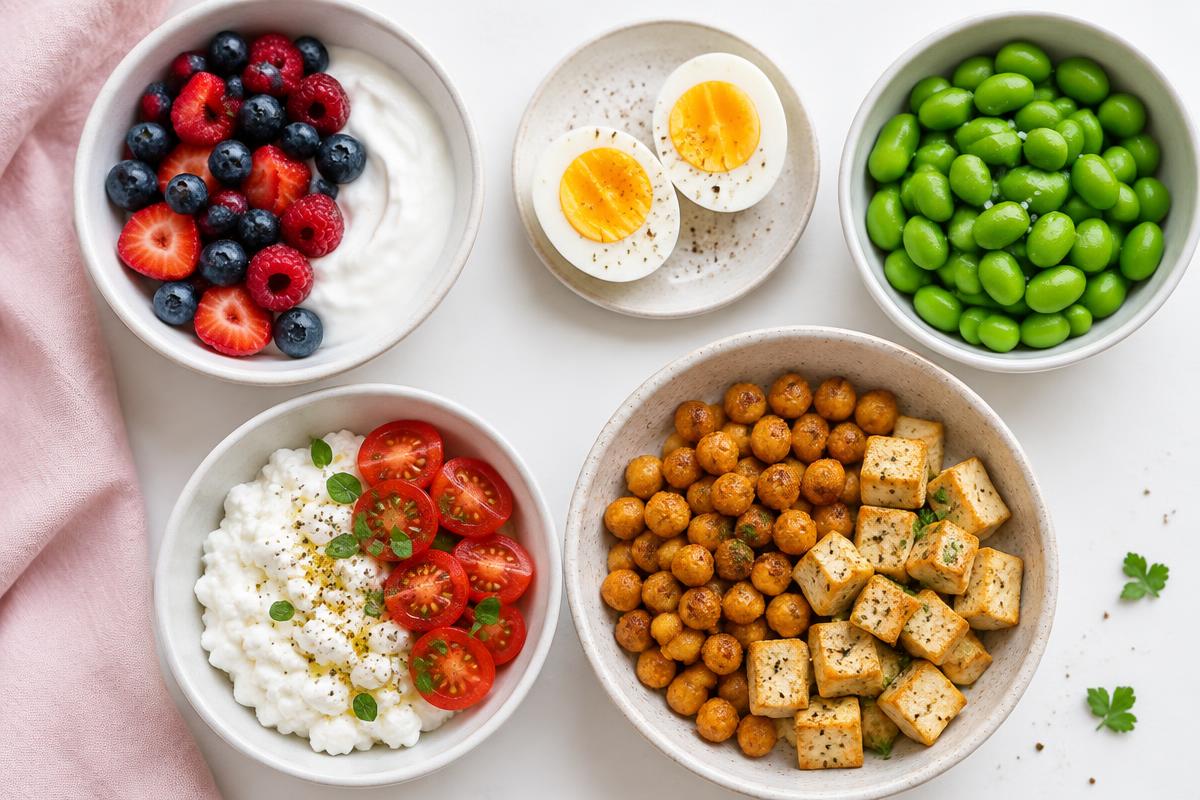
Choose unsweetened yogurt and add a measured amount of berries. Yogurt contains carbohydrate even when it has no added sugar. Read the label for your product and fit both components into the snack approach you already use.
2. Apple with nut butter
Pair a suitable apple portion with a thin layer of unsweetened nut butter. The spread makes the snack more substantial, but does not remove the fruit’s carbohydrate. Check allergies and measure the combination if your plan requires it.
3. Hard-boiled egg with tomatoes
A cooked egg with chopped tomato offers a savoury alternative when you do not want a sweet snack. Keep the egg chilled. This may be lower in carbohydrate than bread-based choices, but whether that suits you depends on the purpose of your snack.
4. Cottage cheese with fruit
Combine cottage cheese with a fruit portion that fits your plan. Cheese brands differ in sodium and other nutrition. Read the full label, especially if managing blood pressure as well as diabetes, and keep the mixture cold.
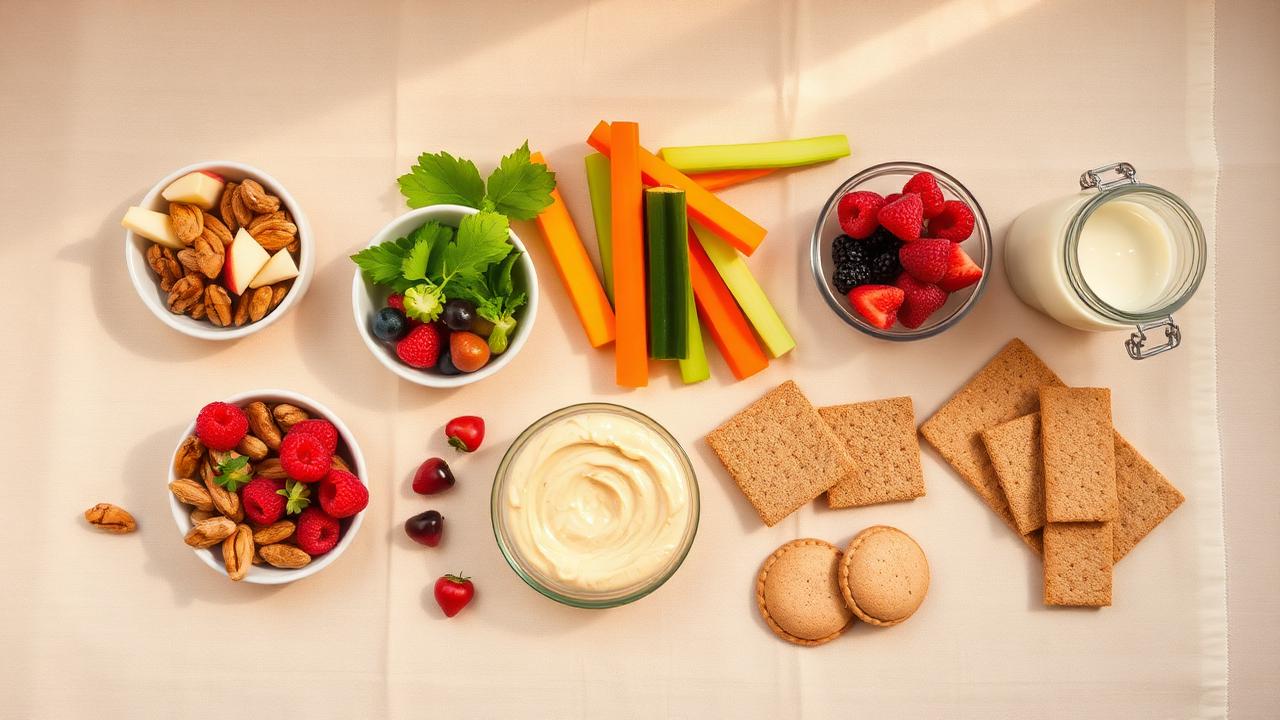
5. Vegetables with hummus
Carrots, cucumber or peppers with hummus provide several textures in one bowl. Chickpeas contribute carbohydrate, so the dip is not carbohydrate-free. Portion it deliberately rather than assuming unlimited hummus because the dippers are vegetables.
6. Wholegrain crackers with cheese
Use the cracker label to count the portion you intend to eat and add a small cheese serving. Wholegrain does not mean low carbohydrate. Consider sodium in both parts and use a plate instead of repeatedly taking crackers from a large box.
7. Small pear with walnuts
Pear and plain walnuts make a simple portable combination. Choose the fruit quantity to fit your own plan and keep the nuts modest if you are watching total energy. Nuts are an allergen, not a universal replacement for every other snack.
8. Edamame
Cook plain edamame according to the packet and serve shelled beans. They contain both protein and carbohydrate, so count the portion rather than treating them like a free food. Skip added salt if sodium is also a concern.
9. Avocado on a small toast portion
Mash avocado onto a bread portion matched to your plan. Bread size varies greatly between brands and bakery slices. A thin slice is not a reliable carbohydrate measure without checking the weight or appropriate nutrition information.
10. Peanut butter on wholegrain toast
A modest spread over suitable toast provides a quick option without sugary toppings. Read the bread and peanut-butter labels separately. The spread can add considerable energy, so more is not automatically better just because it contains protein.
11. Plain kefir
An unsweetened kefir serving is a drink option that still contributes carbohydrate. Flavoured bottles may include added sugar. Check the serving size and decide whether drinking a snack leaves you satisfied, rather than choosing it only because it sounds health-focused.
12. Unsalted nuts with an orange portion
Combine a small nut portion with orange segments. It is easy to pack the components separately. The fruit and nuts still need to fit your plan; a mixed bowl can make it harder to estimate amounts by eye.
13. Turkey and cucumber roll-ups
Use suitable cooked turkey with cucumber, checking the sodium in deli versions. This is different from a carbohydrate-containing snack needed for a specific treatment purpose. Do not use it in place of your care team’s low-glucose treatment instructions.
14. Tuna with a few crackers
Serve drained tuna beside a measured cracker portion and cucumber. Choose plain tuna if you want to avoid an unexpected sweet sauce. Follow cold-storage instructions, and count the crackers rather than assuming the tuna determines the whole snack.
15. Small bean dip with peppers
Mash cooked beans with lemon and herbs and use peppers as dippers. Beans contain carbohydrate and fibre, with the amount depending on portion. Avoid a salty seasoning packet if that conflicts with other dietary advice you have received.
16. A small oatmeal bowl
Plain oats with milk or water can be a practical warm snack. Oats and milk may both contribute carbohydrate. Keep additions visible and measurable; dried fruit, honey or an oversized bowl can change the total substantially.
17. Chia pudding
Prepare chia seeds with an unsweetened milk or alternative using a trusted recipe. Added fruit and the milk base still matter. Plant drinks have very different nutrition profiles, so choose using the label rather than the word plant-based alone.
18. Cheese and apple slices
A small cheese portion with apple slices is easy to assemble when you want something sweet and savoury. Count the fruit portion according to your own method. If sodium or saturated fat is a concern, choose cheese accordingly.
19. Air-popped popcorn with nuts
Popcorn can provide volume while a small nut portion adds substance. Count the popcorn serving and any sweet coatings. This combination is not suitable for young children because of the textures, and it is not a treatment for a glucose low.
20. A small vegetable quesadilla
Use a tortilla portion that fits your plan, add vegetables and a little cheese, and cook until heated. Tortilla sizes and ingredients differ. Check the packet rather than assuming every corn or wholegrain tortilla has the same carbohydrate amount.
21. Plain soy yogurt with cinnamon
An unsweetened soy yogurt can be a dairy-free starting point if soy suits you. Compare carbohydrate and protein across brands; some alternatives contain little protein. Cinnamon supplies flavour, not a proven replacement for medication or glucose management.
22. Tofu with vegetables
Serve properly prepared tofu with cucumber or cooked vegetables and a modest seasoning. Check sweet bottled sauces and sodium-heavy marinades. Tofu may suit a plant-based snack preference, but portions and the rest of the combination still deserve attention.
23. A small lentil salad
Cooked lentils with chopped vegetables and a little lemon make a savoury chilled snack. Lentils contribute carbohydrate as well as protein and fibre. Measure a serving if needed, and transport it chilled rather than leaving it in a warm bag.
24. Half a chicken sandwich
A small sandwich using cooked chicken and vegetables can bridge a long gap between meals when that fits your plan. Bread and sauces determine much of the carbohydrate. Adjust the size deliberately and keep perishable filling safely cold.
25. Fruit with an appropriate milk drink
A chosen fruit portion beside unsweetened milk or an alternative can be simple and familiar. Count both components using your plan. This is more informative than buying a drink labelled diabetic without checking what its nutrition panel actually says.
Low blood glucose is a separate situation
These snack combinations are not instructions for treating hypoglycaemia. Foods high in fat or fibre can behave differently from the fast-acting carbohydrate your clinician may recommend for a low. Follow your prescribed treatment and emergency plan, and seek urgent help when appropriate. If repeated lows or unexplained highs occur, contact your care team rather than repeatedly changing snacks alone. Our late-night snack guide discusses comfort and planning, but cannot decide whether you personally need a bedtime snack.
Make a short personal snack list
Choose three ideas that fit your actual schedule, budget and care plan. Record the brand, serving size and components so you can repeat the combination without guessing. Bring that list to a registered dietitian if you need tailored targets. The sources used here are the ADA label guide and ADA smart-snacking resource. They support informed choices; they cannot guarantee an individual glucose response or endorse a particular product sold by this website.
A note from our kitchen
A useful snack plan should reduce guesswork, not make eating feel like an exam. Keep a few familiar combinations and their actual portions written down. When your needs change, review them with your care team rather than chasing a new list of supposedly perfect foods.
— Flourish Snacks Bites
Looking for Nigerian snacks in Regina?
Flourish Snacks Bites makes Nigerian snacks for pickup or local delivery. This guide is general food information, not our product menu or a dietary certification.