Filipino Snacks: 25 Popular Filipino Snacks to Try
· 7 min read · Flourish Snacks Bites
Merienda is a snack or light eating occasion, often between main meals, and Filipino merienda can be sweet, savoury, warm or chilled. A bakery bun, a banana wrapped and fried, or a small bowl of porridge can all belong in that space. Filipino food varies by region, household and maker, so no short list can represent every tradition. These 25 snacks are an introduction to familiar names and textures, not a ranking or a promise that every item is available in your local shop. Ask about fillings and preparation, especially if you are avoiding allergens or following a specific diet.
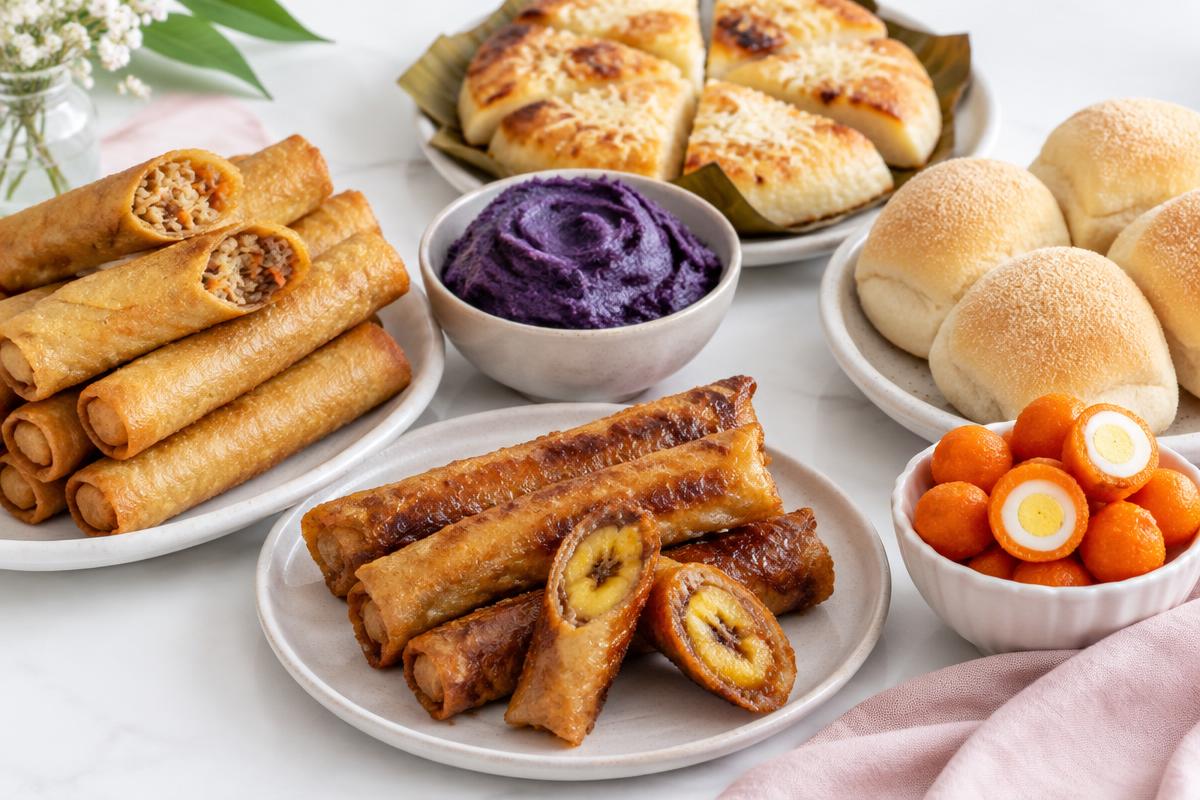
Reading a Filipino snack menu
Rice cakes and coconut sweets are common, but bread, meat, egg and dairy also appear throughout the snack table. Purple colour may indicate ube, yet colouring alone cannot confirm the ingredient. Banana varieties affect texture, and a recipe written for a firm cooking banana may not behave the same with a soft dessert banana. Look to the Philippines Department of Tourism for cultural travel context. For individual purchases, the seller’s ingredients and handling instructions matter more than a generic description in any food guide.
25 ideas to explore
1. Pandesal
These small bread rolls usually have a breadcrumb-coated exterior and a soft middle. Despite the name’s salt association, many versions taste mildly sweet. Serve plain or with a chosen filling, and ask about milk, egg and wheat if ingredients matter to you.
2. Ensaymada
A soft, rich bun often topped with butter, sugar and grated cheese offers a sweet-salty combination. Toppings and dough vary between bakeries. A small portion with an unsweetened drink lets you appreciate the texture without needing several rich pastries.
3. Spanish bread
This Filipino bakery roll commonly encloses a sweet, buttery crumb filling. Its name does not mean every version matches bread sold in Spain. Try it slightly warm if the bakery recommends, and keep filled rolls according to the maker’s storage instructions.
4. Monay
A sturdier bakery bread roll with a distinctive divided top gives a different bite from softer pandesal. It can be eaten plain or paired with a spread. Bread size varies, so one roll may be a small snack or a larger serving.
5. Hopia
These filled pastries can contain mung-bean paste, ube or other fillings. The exterior may be flaky or firmer depending on style. Read the label or ask which filling is inside; a familiar shape does not establish that it is meat-free or dairy-free.
6. Turon
Banana wrapped in a thin pastry and fried gives a crisp outside and soft sweet centre. Some versions include jackfruit. Eat while the wrapper is still crisp, and allow the filling to cool slightly; fried sugar coatings can remain hotter than expected.
7. Banana cue
Cooking bananas coated with caramelised sugar are commonly served as a street snack. The caramel gives a firm sweet surface. Remove skewers before serving children, choose appropriate pieces and remember that this is a sweet treat rather than plain fresh fruit.
8. Kamote cue
Sweet potato pieces fried with a sugar coating provide another caramelised snack. They differ from roasted sweet potato in both texture and preparation. Share a portion if exploring several foods, and let hot pieces cool before eating.
9. Maruya
Banana fritters can be formed from sliced or mashed banana in batter, depending on the recipe. The batter adds softness and a browned exterior. Check flour and egg ingredients, and eat freshly prepared fritters for the most appealing contrast of textures.
10. Puto
Steamed cakes called puto are often made with rice-based ingredients, although flour mixes vary. Some are topped with cheese or salted egg. They can be enjoyed alone or beside savoury dishes; verify toppings rather than assuming the plain-looking cake is vegan.
11. Kutsinta
These small steamed cakes have a distinctly chewy texture and are often served with grated coconut. Recipes may combine different flours and use food-grade lye water. If cooking at home, use a reliable recipe and the correct food ingredient, never a household chemical substitute.
12. Bibingka
Bibingka commonly refers to a baked rice-cake preparation, with versions varying by place and occasion. Coconut, cheese or salted egg may feature. The banana-leaf presentation is distinctive, but the recipe and allergens should still be checked rather than guessed.
13. Suman
Sticky rice wrapped in leaves makes a portable-looking but still perishable cooked food. Coconut milk and sweet accompaniments are common in some versions. Unwrap carefully and follow storage advice; a leaf wrapper is not equivalent to sealed shelf-stable packaging.
14. Biko
Sweet sticky rice cooked with coconut milk and sugar is often presented in a tray and cut into portions. Its dense texture makes small servings practical. Ask about topping and sweetness, and refrigerate leftovers according to the recipe’s handling guidance.
15. Palitaw
Small boiled rice-dough pieces commonly finished with coconut, sugar and sesame have a soft, chewy bite. Sesame is easy to overlook in the coating. Rice-based ingredients do not automatically establish suitability for every allergy or swallowing need.
16. Pichi-pichi
A cassava-based steamed sweet can be coated with coconut or cheese. The gelatinous texture is different from a fluffy cake. Use properly prepared cassava ingredients and a trusted recipe if making it at home rather than improvising raw-cassava preparation.
17. Cassava cake
Grated cassava, coconut milk and other ingredients create a dense baked dessert, with recipes varying in dairy and topping. Buy from a reliable maker or use properly prepared ingredients and a dependable recipe. A small square works well in a tasting plate.
18. Ube halaya
A cooked purple-yam sweet is commonly eaten in small portions or used in other desserts. Dairy and coconut ingredients vary between recipes. Ube is a yam, not simply any purple sweet potato; ask what the product actually contains.
19. Buchi
Fried sesame-coated balls often contain sweet bean paste. A crisp surface gives way to a chewy rice-based shell. Sesame and filling ingredients need checking. Let freshly fried pieces cool because the interior can hold heat even when the outside is comfortable.
20. Lumpiang Shanghai
Small fried spring rolls typically contain a seasoned meat filling, although adaptations exist. The slim shape makes them convenient to share. Cook fillings safely, check dipping sauces and do not assume a vegetable garnish means the rolls themselves are vegetarian.
21. Fresh lumpia
Fresh lumpia commonly wraps vegetables and other ingredients in a soft wrapper, with a sauce added when serving. It differs from crisp fried lumpia. Peanuts or other ingredients can appear in toppings and sauce, so check the complete dish.
22. Siopao
A steamed bun encloses a savoury filling such as meat, with different styles sold by bakeries and stalls. The filling is hidden, so ask before buying. Reheat following safe instructions and avoid assuming a warm exterior proves the centre is hot enough.
23. Siomai
Small dumplings often made with pork, shrimp or mixed fillings are usually served with a dip. They can form a snack-sized portion or a larger meal. Soy-based sauces can add sodium, and seafood may be present even when the dumplings look similar.
24. Kwek-kwek
Quail eggs coated in an often orange-coloured batter are fried and served with a dipping sauce. Egg and wheat-related ingredients need attention. Cut round eggs appropriately for younger eaters and buy cooked foods from a source with suitable handling practices.
25. Taho
Soft tofu with a sweet syrup and small sago pearls is often served warm. Its gentle texture contrasts with fried bakery snacks. Check sweetness and ingredients, and treat prepared tofu as perishable; the drink-like presentation does not make it safe to leave unrefrigerated indefinitely.
Build a balanced merienda tasting
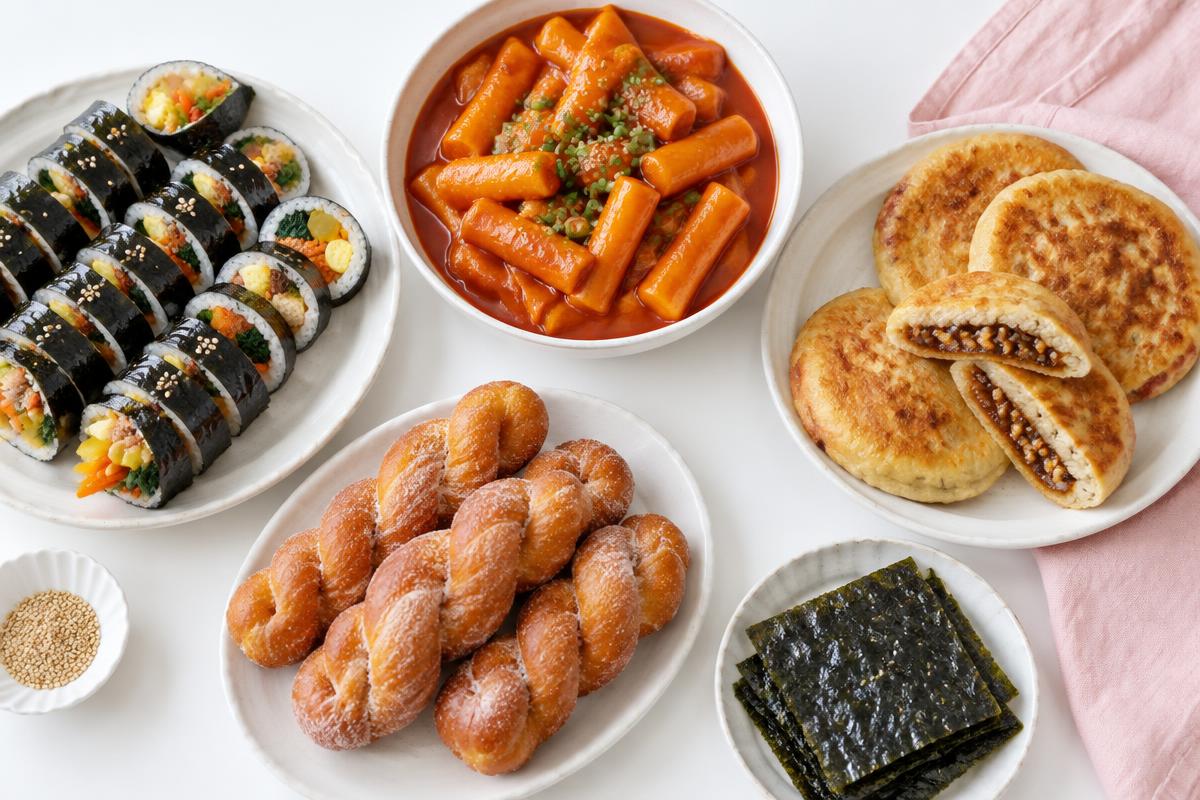
A few pieces of pandesal, a small turon portion and a savoury lumpia option give a useful first comparison without trying everything. Add water or an unsweetened drink and allow people to choose rather than loading every plate. Some listed foods are dense or very sweet; a small serving can be enough. If you want to compare snack cultures, our Korean snack guide offers another range of steamed, fried and rice-based textures without treating either country’s cuisine as a single flavour.
Sources and safe preparation
Use the Philippines Department of Tourism for broader cultural context and Health Canada’s food safety guidance for handling perishable cooked foods. Cultural sources are not ingredient guarantees for a specific bakery. Ask the maker about recipes, especially for rice cakes with cheese, meat-filled buns and cassava desserts. Homemade versions should follow reliable preparation guidance; decorative wrappers and familiar traditional names do not replace safe cooking, refrigeration or allergen information.
A note from our kitchen
Merienda is easier to explore when you give each food a little attention. Try a soft roll before a syrupy sweet, and notice the coconut, toasted wrapper or chewy rice texture. The goal is not to collect every name in one afternoon, but to find a few you would happily return to.
— Flourish Snacks Bites
Looking for Nigerian snacks in Regina?
Flourish Snacks Bites makes Nigerian snacks for pickup or local delivery. This guide is general food information, not our product menu or a dietary certification.