American Snacks: 25 Classic Snacks You Should Try
· 8 min read · Flourish Snacks Bites
American snacks are not one single cuisine. They include regional fair food, home baking, convenience-store staples and foods shaped by immigration, trade and local ingredients. Calling a snack an American classic does not mean it was invented only in the United States or belongs exclusively to one culture. It means it has a recognisable place in American everyday eating. This guide combines sweet and savoury choices, including a few foods that can be a snack or a meal depending on portion. Use it to plan a tasting plate or to understand names you see in recipes and shops.
How to approach a snack tasting
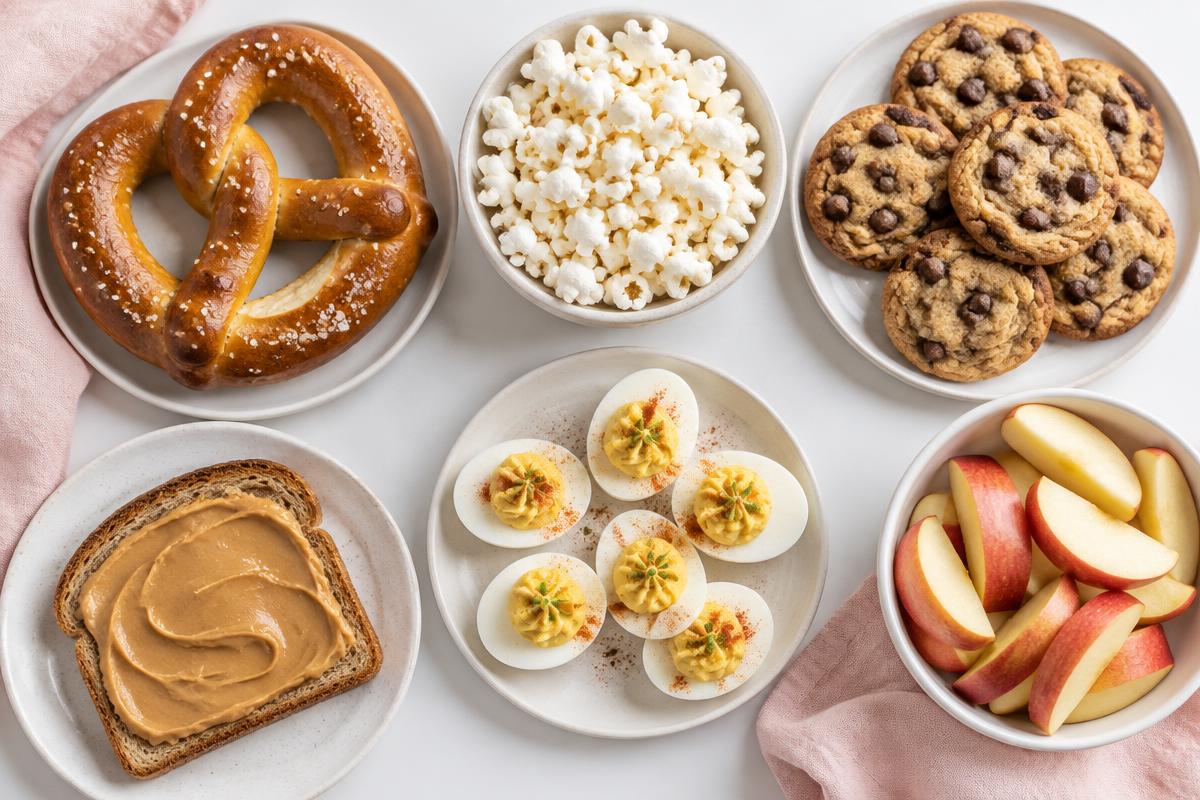
Choose a contrast rather than five nearly identical sweets. Something crisp, something soft, a savoury bite and a familiar fruit accompaniment make a more interesting plate. Foods sold in bags are convenient, but homemade versions let you change seasonings and portion sizes. Classic does not mean nutritionally balanced, and a nostalgic snack can still be salty or rich. Check labels for milk, wheat, peanuts and other allergens instead of relying on a familiar name. Regional and family recipes vary, so treat the descriptions as introductions rather than fixed definitions.
25 ideas to explore
1. Popcorn
Plain popcorn is the starting point for buttered movie-style corn, caramel corn and cheese-seasoned bags. For a home tasting, pop a batch and season small portions differently. Popcorn is a choking hazard for young children, so offer a softer alternative when needed.
2. Soft pretzels
A chewy, twisted pretzel often arrives warm with mustard or cheese sauce. The crisp exterior and tender middle are the main attraction. Reheat bakery pretzels briefly using the maker’s directions, and keep dip separate so the surface does not become soggy.
3. Hard pretzels
These dry, crunchy twists or sticks are useful in lunchboxes and snack mixes. Salt levels vary substantially between bags. If you are comparing options, read the sodium amount for the same serving size rather than assuming a smaller-looking pretzel is a lighter choice.
4. Potato chips
Thin, fried potato slices are a familiar side to sandwiches and gatherings. Plain, ridged and kettle-style versions offer different textures. Put a serving in a bowl instead of eating from a large bag if you want to notice how much you actually enjoy.
5. Tortilla chips and salsa
Corn tortilla chips with tomato salsa combine crunch, acidity and sometimes heat. Salsa styles range from fresh chopped mixtures to smooth cooked sauces. Keep homemade fresh salsa chilled, and use a spoon to replenish a small serving bowl at a gathering.
6. Cheese crackers
Small cheese-flavoured crackers are a packaged pantry classic, but real cheese content and seasonings differ by manufacturer. They work as a crunchy accent beside fruit or vegetables. Read the actual label rather than assuming all orange crackers have the same ingredients.
7. Peanut butter crackers
A thin peanut-butter filling between crackers makes a portable sweet-savoury bite. These are unsuitable for peanut-allergic guests and often contain wheat. At home, seed butter can provide an alternative flavour, but check the replacement’s ingredients and cross-contact information.
8. Trail mix
A mixture of nuts, dried fruit and sometimes chocolate is convenient for outings. The recipe is flexible, and energy content adds up in a small handful. Build separate components if guests have allergies instead of making one bowl that everyone must pick through.
9. Granola bars
Oats, nuts or seeds and a binding syrup are common in bars, although recipes differ widely. Some are closer to a dessert than a filling snack. Compare fibre, sugar and serving size on packaged bars, and choose a texture you can comfortably chew.
10. Beef jerky
Dried seasoned beef is a shelf-stable option only when commercially prepared or made using validated safety methods. It can be very salty and tough. Check storage instructions after opening; do not assume every homemade dried-meat recipe produces a safe pantry food.
11. Deviled eggs
Halved cooked eggs with a seasoned yolk filling are common at gatherings. Mustard, mayonnaise and paprika are familiar additions, but variations abound. Serve chilled in small batches and refrigerate leftovers promptly rather than treating egg dishes like dry snack food.
12. Celery with peanut butter
Celery sticks filled with peanut butter offer a crunchy contrast to a smooth spread. Raisins are sometimes added for the snack nicknamed ants on a log. Adapt the texture for younger children and check peanut or seed allergies before serving.
13. Peanut butter and jelly triangles
A peanut-butter-and-jelly sandwich becomes a snack when cut into small triangles. Bread choice, spread thickness and jam sweetness change the balance. This is an easy nostalgic tasting item, but not an automatic peanut-free or low-sugar choice.
14. Chocolate chip cookies
The contrast between sweet dough and chocolate pieces makes these a recognisable home-baking favourite. Chewy and crisp styles are both worth exploring. Use a reliable recipe for baking and allow cookies to cool before packing so trapped steam does not soften them.
15. Brownies
Brownies range from dense and fudgy to lighter and cake-like. A small square is often enough for a tasting spread. Nuts may be hidden inside, so label the batch clearly and use separate utensils if serving another dessert for allergic guests.
16. Rice cereal squares
Crisp rice cereal bound with melted marshmallow creates a chewy, quick-to-portion sweet. Check whether the cereal and marshmallows fit vegetarian or gluten-related needs. Cut once set, and store according to the recipe rather than assuming every variation keeps equally well.
17. S’mores
Toasted marshmallow and chocolate sandwiched between graham crackers are associated with campfire eating. An oven version can recreate the combination without a fire. Melted sugar can burn, so let the filling cool slightly and supervise children around heat.
18. Graham crackers
These mildly sweet crackers are eaten on their own and used in dessert crusts or s’mores. Ingredients vary, including possible honey. For a simple snack, pair a few with plain yogurt or fruit instead of automatically adding another sweet topping.
19. Caramel corn
A cooked sugar coating turns popcorn into a crisp sweet treat. Follow a dependable recipe because hot caramel can cause serious burns. For younger guests, choose a different texture; a thin coating does not remove popcorn’s choking risk.
20. Doughnuts
Ring doughnuts and filled rounds appear in bakeries and coffee shops, with yeast-raised and cake-style dough producing different textures. Try a small plain version before comparing elaborate toppings. A doughnut is an enjoyable sweet, not a required everyday snack.
21. Mini corn dogs
Sausage coated in cornmeal batter is a fair-food favourite; small versions make party bites. Cook according to a verified recipe or package instructions. Sausage shape can be a choking risk for children, so adjust pieces appropriately before serving.
22. Buffalo-style chicken bites
Chicken with a tangy hot sauce makes a bold savoury snack, often accompanied by celery and a creamy dip. The term describes the flavour style, not a universal recipe. Fully cook poultry and keep sauces separate when guests prefer different heat levels.
23. Pimento cheese with crackers
A spread made with cheese and pimentos is associated especially with the American South. Serve a small scoop with crackers or vegetables. Dairy and mayonnaise ingredients need checking, and the spread should be kept cold rather than sitting out indefinitely.
24. Boiled peanuts
Boiled peanuts have a soft, bean-like texture quite unlike roasted peanuts and are particularly associated with Southern snack traditions. They are still peanuts and remain an allergen. Follow storage instructions for prepared versions instead of treating them as dry roasted nuts.
25. Apple slices with a dip
Fresh apple wedges with peanut butter, yogurt or a modest caramel dip are a familiar home snack. The fruit supplies crunch while the dip changes the flavour. Prepare cut apples near serving time, or keep them covered and chilled if making ahead.
Choose a menu, not a greatest-hits mountain
For a casual tasting, offer four or five small portions with clear labels. For example, pretzel pieces, deviled eggs, apple wedges and cookie halves cover texture and sweetness without requiring dozens of ingredients. Ask guests which version they enjoyed rather than claiming your choice is the most authentic. Snack traditions are lived differently across households and regions. Read Smithsonian food history writing for broader cultural context; it is not a source for the nutrition content of a particular packaged product.
Buying and storing the classics
Check best-before dates, reseal dry snacks and follow cold-storage guidance for eggs, cheese and chicken. Use Health Canada’s general food safety guidance when preparing a mixed spread. Canadian shops may carry different versions from American brands, so do not expect identical recipes or sizes. For a budget shopping approach, see Costco snack options; for an afternoon drink match, browse tea pairings.
A note from our kitchen
The most useful tasting plate is the one that starts a conversation. Serve a familiar cookie next to something less familiar, such as boiled peanuts, and compare texture rather than declaring a winner. You can explore a food tradition without pretending every version represents an entire country.
— Flourish Snacks Bites
Looking for Nigerian snacks in Regina?
Flourish Snacks Bites makes Nigerian snacks for pickup or local delivery. This guide is general food information, not our product menu or a dietary certification.