Tea and Snacks: 25 Delicious Pairings to Try
· 8 min read · Flourish Snacks Bites
A good tea and snack pairing is a matter of taste, not a rule you can get wrong. You might enjoy a strong black tea beside a buttery biscuit, or prefer a mild herbal infusion with fruit. Start by matching intensity: a delicate tea can be overwhelmed by a heavily spiced food, while a robust tea can stand beside richer flavours. These 25 combinations are suggestions to try, not scientifically proven matches or claims about digestion. You can use whichever teas are accessible and affordable. Brew a small cup, take a bite and notice whether you still enjoy the tea’s flavour afterward.
Brewing changes the pairing
A bitter, over-steeped tea may taste very different from the same leaves brewed according to their instructions. Follow the packet’s water temperature and steeping guidance before deciding you dislike a combination. Milk, sugar and lemon also change the balance, so compare with your normal way of drinking it. Herbal infusions are not all caffeine-free blends; check ingredients. Black, green, white and oolong teas generally contain caffeine, with amounts depending on product and preparation. Choose appropriately for evening use and any advice you have received about caffeine.
Keep the serving practical
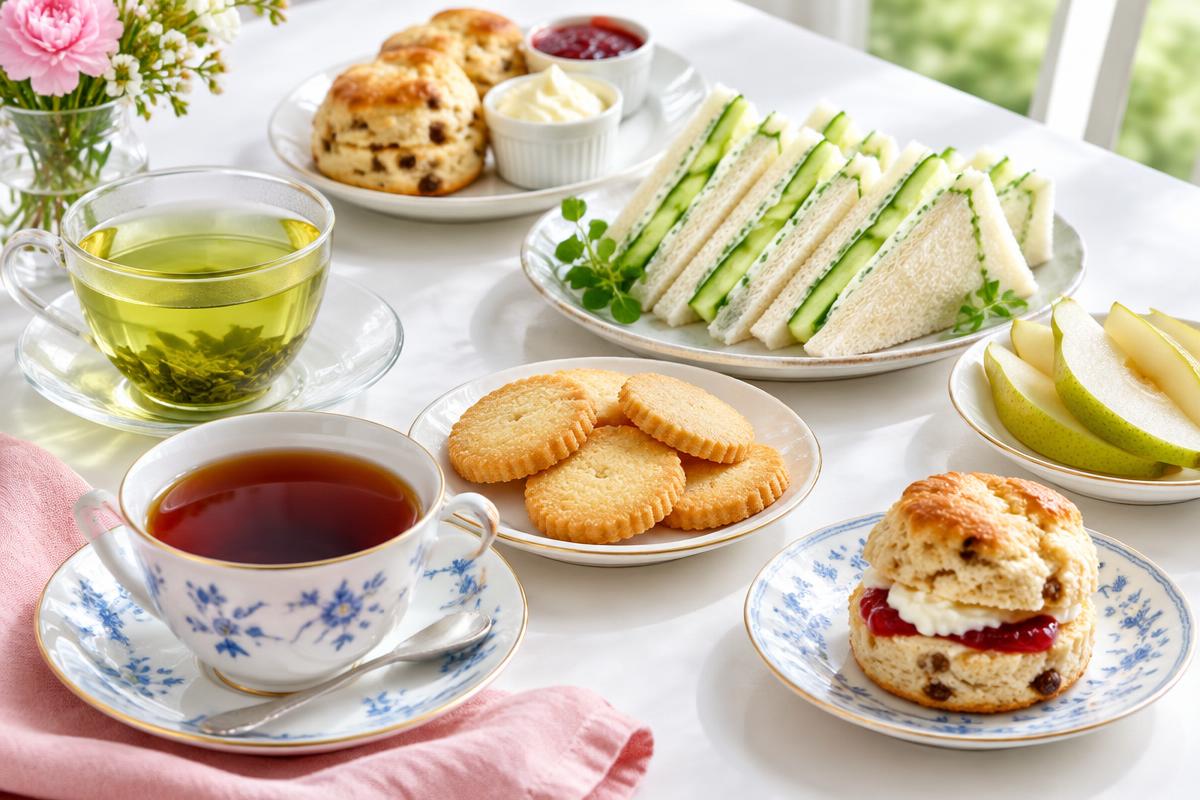
A few small snacks are more useful than an overloaded afternoon-tea stand. Choose something savoury and one sweet item, then add fruit if you want variety. Prepare sandwiches close enough to serving that they do not dry out; keep dairy, egg and meat fillings cold until needed. Tea preferences differ, and no guest needs a lecture on the correct way to eat a biscuit. The English Heritage afternoon-tea guide offers historical context, not a compulsory menu.
25 ideas to explore
1. Earl Grey and lemon shortbread
The tea’s bergamot aroma can echo the citrus in a lemon biscuit. Keep the biscuit lightly flavoured so it does not obscure the cup. If you dislike scented tea, a plain black tea is an equally reasonable alternative.
2. English Breakfast and cheese toast
A robust black tea can stand beside a small piece of cheese toast. Serve the toast warm and cut into manageable pieces. Cheese and bread may be salty, so keep the portion modest if sodium is a consideration.
3. Assam and a plain scone
The malty character often associated with Assam can suit a simple buttery scone. Add jam or cream according to preference, not obligation. A heavily topped scone may make the tea seem less prominent, which you may or may not enjoy.
4. Darjeeling and a madeleine
A delicate black tea can pair with a small, gently flavoured sponge cake. Start without a strong topping so you can taste both. Darjeeling styles vary by harvest and producer, so use the tea you have rather than expecting one fixed profile.
5. Ceylon black tea and savoury pastry
A brisk black tea can provide contrast beside a small savoury pastry. Filling and spice determine the match more than the pastry’s name. Allow hot filling to cool, and ask about allergens before offering bakery items to guests.
6. Masala chai and samosas
Spiced milk tea and a savoury samosa offer a familiar warm combination. Both spice levels and sweetness vary, so try a small serving first. This is a flavour suggestion, not a claim that tea neutralises fried food or changes its nutrition.
7. Masala chai and a plain biscuit
A mild biscuit can let the chai spices remain central. If the drink is already sweetened, you may prefer a less sweet accompaniment. Dairy-free chai depends on the milk alternative used; do not assume every prepared version suits a vegan guest.
8. Jasmine green tea and vegetable dumplings
Floral tea can sit beside a small portion of mild dumplings. Check fillings and dipping sauce rather than assuming vegetable-named dumplings contain no animal ingredients. A very salty or spicy sauce may dominate the delicate cup.
9. Sencha and cucumber sandwiches
Fresh cucumber with a simple spread gives a light contrast to green tea. Make sandwiches close to serving so the bread stays pleasant. Milk-based spreads and wheat need checking, and a plain cucumber filling works if you prefer less richness.
10. Genmaicha and rice crackers
Roasted-rice notes in this green-tea blend can echo a toasted cracker. Choose a mild cracker first instead of a strongly seasoned packet. The pairing is about flavour similarity; it does not establish a low-sodium or gluten-free snack.
11. Hojicha and roasted chestnuts
Roasted tea and gently sweet chestnuts offer an earthy combination. Peel the chestnuts carefully and let them cool to a comfortable temperature. Hojicha still may contain caffeine, so do not label it caffeine-free without product information.
12. Matcha and a small bean-filled sweet
A gently sweet red-bean confection can contrast with matcha’s strong flavour. Keep both portions small for a tasting. Check the sweet’s ingredients and texture, and avoid assuming every rice-based confection suits all dietary needs.
13. Light oolong and pear slices
Fresh pear can accompany a floral or gently fruity oolong without a heavy topping. Tea styles differ, so taste the plain cup first. Ripe pear gives a softer texture and a simple option when you do not want another pastry.
14. Roasted oolong and sesame crackers
A roasted tea can echo toasted sesame flavours. Sesame is an allergen and can be present in a cracker or a topping. Keep the seasoning modest so both roasted aromas remain noticeable instead of letting salt dominate.
15. Pu-erh and a small mushroom pastry
An earthy tea can suit an earthy savoury filling. Use a modest pastry portion and brew the tea as directed. This is a flavour contrast, not a claim that the drink removes fat, aids weight loss or compensates for rich food.
16. White tea and a plain vanilla biscuit
A mild biscuit may accompany delicate white tea without overwhelming it. Avoid a strongly iced version for the first comparison. White tea usually contains caffeine, despite its gentle flavour; mild taste is not the same as absence of stimulation.
17. Rooibos and oat biscuits
Rooibos can provide a caffeine-free alternative when the blend contains only suitable caffeine-free ingredients. Its flavour works with a simple oat biscuit for many people. Check biscuit ingredients, especially milk, honey and wheat if serving a restricted diet.
18. Rooibos and dried fruit
A small portion of dried fruit gives sweetness beside an unsweetened rooibos cup. Dried fruit is concentrated, so a small handful can be plenty. Add a few nuts if appropriate, while clearly identifying allergens for guests.
19. Chamomile infusion and plain toast
A mild herbal infusion with a small toast portion is an uncomplicated evening option. Choose a topping that suits your appetite. Herbal products may not suit everyone or every medication, so check personal advice when relevant.
20. Peppermint infusion and a chocolate biscuit
Mint and chocolate offer a familiar flavour combination. A small biscuit lets you test it without a rich dessert. Peppermint can be a problem for some people with reflux; choose another drink if that applies to you.
21. Ginger infusion and banana bread
A gently spicy drink can contrast with a soft banana-bread slice. Ginger intensity differs between blends and homemade versions. Treat banana bread as a baked sweet whose ingredients and portion matter, not as equivalent to plain fresh banana.
22. Lemon herbal infusion and a fruit plate
A citrus-flavoured infusion can accompany apple, pear or berries. Check whether the blend includes caffeinated tea leaves. Fruit is enough if that matches your hunger; add a more substantial item when you need more than a tasting bite.
23. Turkish black tea and sesame bread
A small piece of simit or another suitable sesame bread offers a savoury-bakery pairing. Serve with the tea strength and sweetness you enjoy. Sesame and wheat need clear identification, and a different bread is fine when simit is unavailable.
24. Mint green tea and an almond biscuit
Mint-flavoured green tea with a small almond biscuit can give a fragrant sweet combination. The green-tea base generally contains caffeine. Nuts may not suit all guests, so offer an alternative instead of expecting people to remove a visible garnish.
25. Plain black tea and chin chin
A small portion of crunchy chin chin gives a lightly sweet contrast to a plain black tea. Flavours and ingredients vary by maker, so choose a mild version for the first taste. See our product menu for the snacks we actually offer.
Try a two-cup comparison
Use the same snack with two teas, or the same tea with two snacks. This makes it easier to notice what changes without preparing a large spread. You might discover that lemon shortbread works with your ordinary breakfast tea just as well as Earl Grey. Pairing guides from tea sellers, such as Harney & Sons, can provide inspiration, but their recommendations remain preferences rather than universal facts. Use your own taste as the deciding signal.
Food safety and sensible expectations
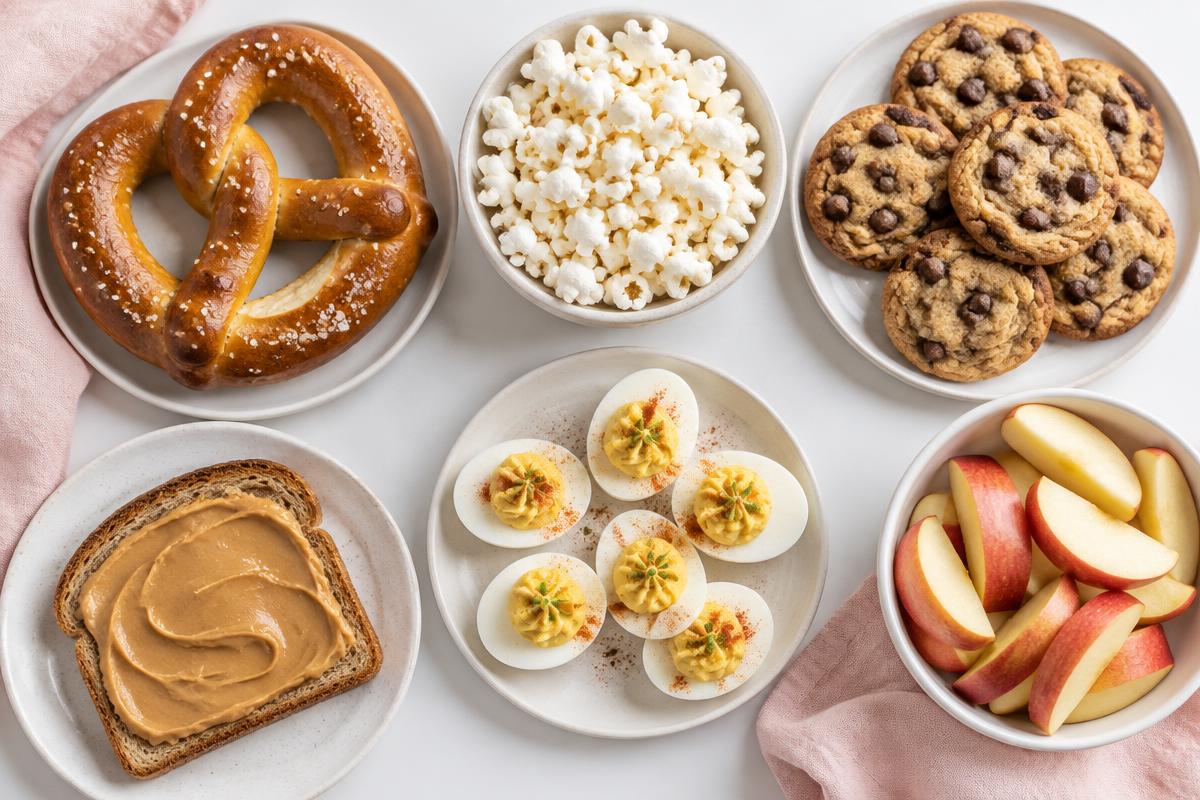
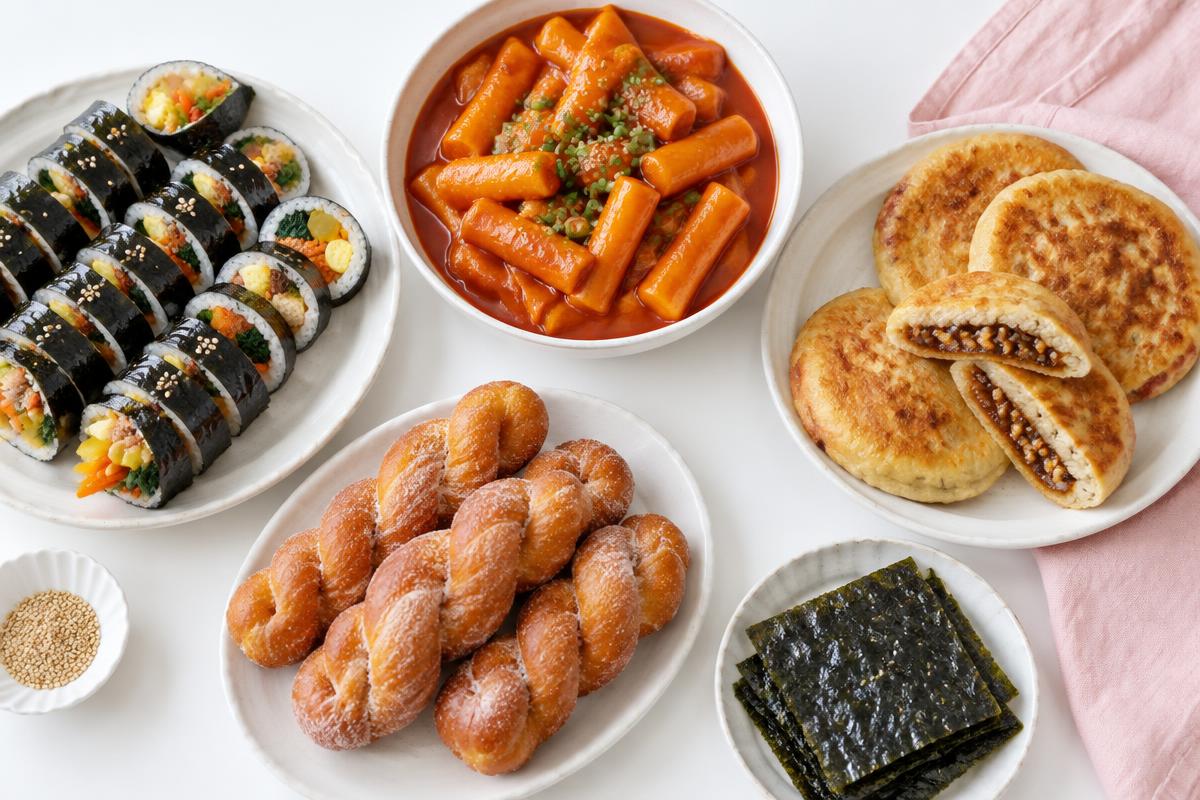
Keep perishable sandwiches and dairy toppings chilled until serving, and follow Health Canada food safety guidance. Tea should not be presented as a cure for sleep problems, a way to cancel calories or a medical treatment. If caffeine, herbs or ingredients affect your health needs, seek personal advice. For more foods to compare, browse our American classics and Korean snacks. The best pairing is the one you can prepare easily and genuinely enjoy.
A note from our kitchen
A cup of tea and one well-chosen snack can feel more thoughtful than a crowded tray. Start with the tea you already drink and a food you know, then change just one element. There is no need to buy a special collection before finding a pairing you like.
— Flourish Snacks Bites
Looking for Nigerian snacks in Regina?
Flourish Snacks Bites makes Nigerian snacks for pickup or local delivery. This guide is general food information, not our product menu or a dietary certification.