Costco Snacks: 30 Popular Snack Options to Look For
· 9 min read · Flourish Snacks Bites
Costco snack shopping is mainly a question of what you will actually use, not which oversized package looks most impressive. A good-value item can become expensive if half goes stale or if you do not enjoy the flavour. This guide covers 30 familiar snack options and categories to look for, rather than a live inventory report or a ranked taste test. Costco Canada warehouse, delivery and online assortments differ and can change. No price, brand, package size or local stock is guaranteed here. Check your warehouse or Costco’s own Canadian website before planning a purchase around a particular item.
Compare the cost of the amount you eat
Use unit price alongside storage, shelf life and household demand. A large tub is not automatically a better purchase than a smaller package elsewhere. Individually wrapped portions may be convenient but create more packaging; a bulk bag may need containers and deliberate portioning. Look at servings per container and the serving size you realistically eat. We have not personally taste-tested or price-ranked these products, and this article is not sponsored by or affiliated with Costco. The official Costco Canada snack category is the starting point for checking the current range.
Read the label on the package in front of you
Formulas can change, and Canadian products may differ from US versions bearing a similar name. Check ingredients, allergens, sodium, protein, fibre and added ingredients relevant to your needs. Front words such as keto, natural or protein are not a complete nutrition comparison. If you are shopping for a school, confirm its nut and food rules before buying a large multipack. A sealed individual wrapper does not make a nut-containing snack suitable for a nut-free classroom.
30 ideas to explore
1. Almonds
Look for plain, roasted or flavoured almonds and compare salt and coating. A large bag can be portioned into smaller containers for outings. Buy only what you can store suitably, and check the package’s guidance for freshness after opening.
2. Cashews
Plain or roasted cashews offer a softer nut texture than some mixed-nut options. Salted, honey-coated and seasoned versions have different nutrition. A small tasting purchase elsewhere can help before committing to a bulk package of an unfamiliar flavour.
3. Walnuts
Walnuts are useful in snack portions, oatmeal and baking, giving a bulk bag several possible uses. Follow storage directions because nuts can lose quality over time. Clearly label shared containers if other people might mistake chopped nuts for a different topping.
4. Mixed nuts
A mixture can provide variety, but the ratio of nuts and seasonings affects whether you enjoy the whole bag. Compare salted and unsalted options if available. Do not assume picking out one nut makes a shared mixture safe for an allergy.
5. Pistachios
In-shell pistachios create a slower, hands-on snack, while shelled versions are easier to use in recipes. Compare price on the edible amount when practical. Seasoning and salt vary, and shells should be discarded away from children who might put them in their mouths.
6. Pumpkin seeds
Plain or seasoned seeds can add crunch to yogurt, salads or a snack mix. Check whether the product is shelled and how it is flavoured. A very large pack may make more sense if you use seeds in meals as well as snacks.
7. Trail mix
Trail mixes can combine nuts, dried fruit, chocolate and other pieces. Compare the ingredient order and serving size instead of assuming all mixes are equally filling. Portion into small containers so the whole bag does not become the default serving.
8. Nut and seed clusters
Sweet-bound clusters offer crunch and convenient pieces, but their sugar coating and serving size matter. Ingredients vary between products. These are not simply equivalent to plain nuts, and a cluster can include several allergens that are not obvious from a distance.
9. Raisins
Raisins are easy to add to oats or homemade snack mixes. Their concentrated sweetness means a small portion can be enough. Choose packaging you can reseal, and check whether the product contains added ingredients rather than assuming every dried fruit is plain.
10. Dried cranberries
Many dried cranberries are sweetened, so read the ingredients if comparing sugar content. They can add a little tartness to a mix or oatmeal. A bulk bag is most useful when you have several regular uses, not only one recipe.
11. Dried mango
Dried mango provides a chewy fruit option, with added sugar varying by product. Check texture and ingredients rather than relying on a bright fruit photograph. Cut pieces if needed for comfortable chewing and keep the pack sealed as directed.
12. Other dried fruit
Apricots, prunes or mixed dried-fruit assortments may be worth looking for, subject to local range. Sulphites and other ingredients can matter for some people. Compare the actual label and choose an amount you can finish before quality declines.
13. Peanut butter
A large jar can support toast, fruit pairings and homemade snacks. Natural-style and sweetened versions differ in salt, sugar and stirring requirements. Check ingredients and storage after opening; a familiar brand name is not a substitute for the current package information.
14. Other nut or seed butter
Almond or seed-based spreads can be useful when they fit household needs. Compare price and texture before bulk buying. A substitute is not automatically allergy-safe, especially if cross-contact is relevant, so read the label carefully.
15. Wholegrain crackers
Check fibre, sodium and serving size for a cracker you would pair with cheese or a dip. Wholegrain wording does not guarantee low sodium. Keep opened sleeves sealed so a large box remains pleasant through the time your household needs to finish it.
16. Rice crackers
Rice-based crackers can be mild or strongly seasoned and may contain wheat or other ingredients. Check the full label for dietary suitability. Their light appearance does not tell you the calorie or sodium amount in your actual serving.
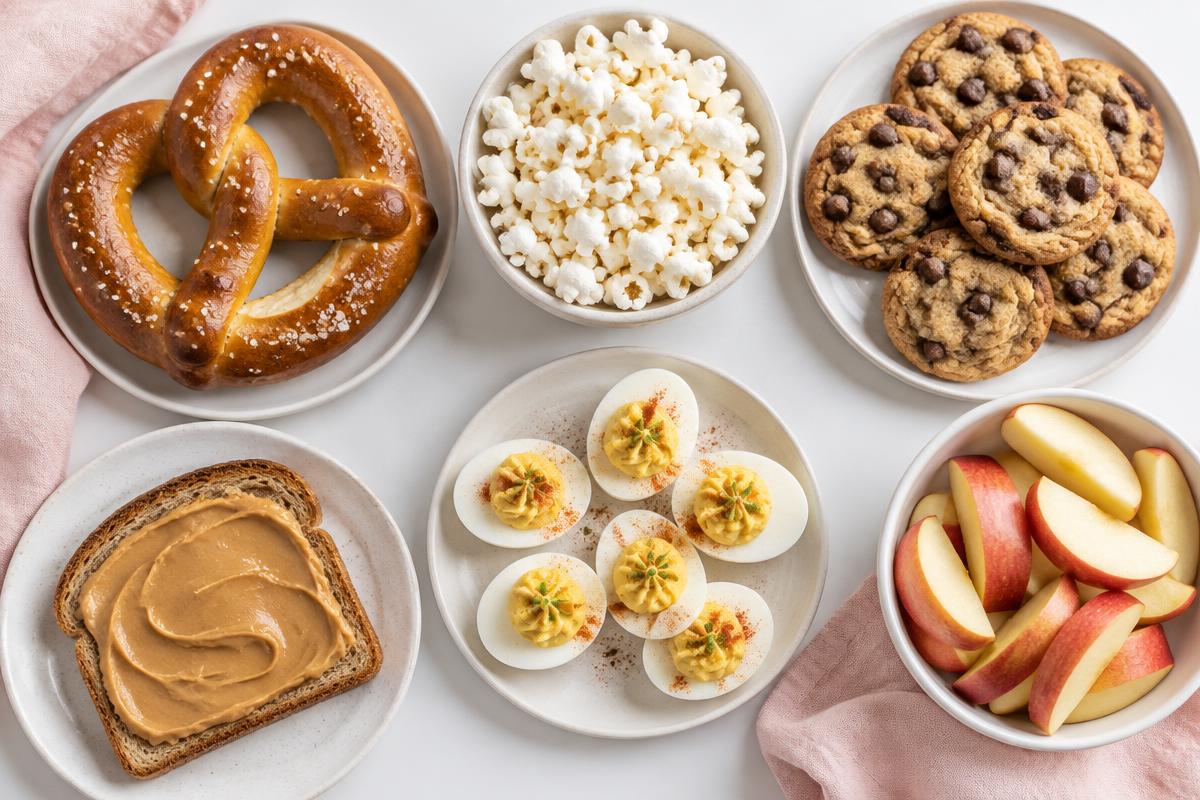
17. Pretzels
Twists, sticks and filled pretzels offer different uses and flavours. Salt and filling ingredients deserve attention. A large bag works best with a plan for portioning and resealing rather than being left open during a long gathering.
18. Peanut-butter-filled pretzels
These combine a crisp shell with a peanut filling and can be a sweet-savoury snack. They contain peanuts and commonly wheat. Compare serving size and do not assume a filled pretzel has the same nutrition as an unfilled one.
19. Popcorn
Ready-popped bags range from plain to butter-flavoured, cheese-seasoned or sweet-coated. Read the label for each version. Popcorn can go stale after opening and is unsuitable for very young children, so consider household use before buying a multipack.
20. Potato chips
A big chip bag can suit a planned party, but may not be practical for occasional small snacks. Compare flavours and pack sizes rather than choosing only by discount. Serve into bowls and store the remainder sealed to limit waste.
21. Tortilla chips
These can pair with salsa, beans or guacamole if those are already on your shopping list. Chips alone are often less substantial than the combination. Check sodium and ingredients, and do not buy a giant bag just for one small dip.
22. Roasted seaweed snacks
Small seaweed packs offer a delicate crisp texture. They can contain oil, salt and other seasonings, and are not a substantial protein snack by themselves. Protect opened sheets from moisture and read ingredients for any dietary or allergy considerations.
23. Protein bars
Compare protein and total energy together, alongside sugar, fibre and serving size. Some bars are substantial enough to function more like a small meal. The word protein is not a guarantee of low calories or that the flavour suits you.
24. Granola bars
Oat-based bars vary from lightly bound grain snacks to chocolate-coated sweets. Read the actual product, not the category name. Multipacks are convenient when everyone enjoys the same flavour; otherwise an assortment can leave unwanted bars sitting in a cupboard.
25. Jerky and meat snacks
Dried meat snacks can be portable but often contribute substantial sodium. Compare seasonings, sugar and storage instructions after opening. They can also be tough to chew, so choose based on the person eating them rather than only the protein number.
26. Cheese portions
Mini cheeses or cheese sticks may be useful if available in your local chilled assortment. They require refrigeration and can add sodium and saturated fat. Count household demand and the date on the actual pack before buying a large quantity.
27. Yogurt multipacks
Look at sweetness, protein, serving size and whether every flavour will be eaten. Dairy-free versions differ in nutrition. Cold storage and dates matter, so buying more than your household can use can erase the apparent savings.
28. Cookies and biscuits
A bulk biscuit pack can suit gatherings or occasional treats if stored well. Compare the ingredient list for allergens and use a reasonable portion. A product being popular or sold in a warehouse does not establish that it is nutritionally superior.
29. Chocolate-coated nuts or clusters
These are sweet treats combining nuts with chocolate or another coating. They differ from plain nuts in ingredients and energy density. Portion into a small dish and check milk and nut allergens instead of relying on the shape of the pieces.
30. Bakery muffins or snack cakes
Large bakery pieces can be split into smaller portions, and some may freeze well following appropriate guidance. Check package dates and ingredients. A muffin’s fruit name does not make it equivalent to fruit, and sizes can be much larger than expected.
Before putting the bulk pack in your cart
Ask three questions: will we enjoy it, can we store it and do we have a realistic use for the whole amount? A snack used in breakfast, baking and lunchboxes may be easier to finish than one bought only for curiosity. If splitting with someone else, retain ingredient and storage information for both households. Compare current prices yourself rather than relying on an old online list. Browse the official Costco Canada snack department and confirm local or delivery availability directly.
Use the purchase to make a few repeatable snacks
Crackers with a suitable cheese, nuts with fruit, or yogurt with oats can give a bulk ingredient a practical role. Our high-protein snack guide explains how to compare labels without equating protein with low calories. The lower-sodium guide offers seasoning and label tips. This article is a shopping framework, not a live stock tracker; changes in availability, recipes and package sizes should always be checked against the retailer and the product in front of you.
A note from our kitchen
A bargain should solve a real need in your kitchen. Before buying a new bulk snack, think of two times you would actually eat it. If you cannot, a smaller pack somewhere else may be the better purchase, even when its unit price looks higher.
— Flourish Snacks Bites
Looking for Nigerian snacks in Regina?
Flourish Snacks Bites makes Nigerian snacks for pickup or local delivery. This guide is general food information, not our product menu or a dietary certification.